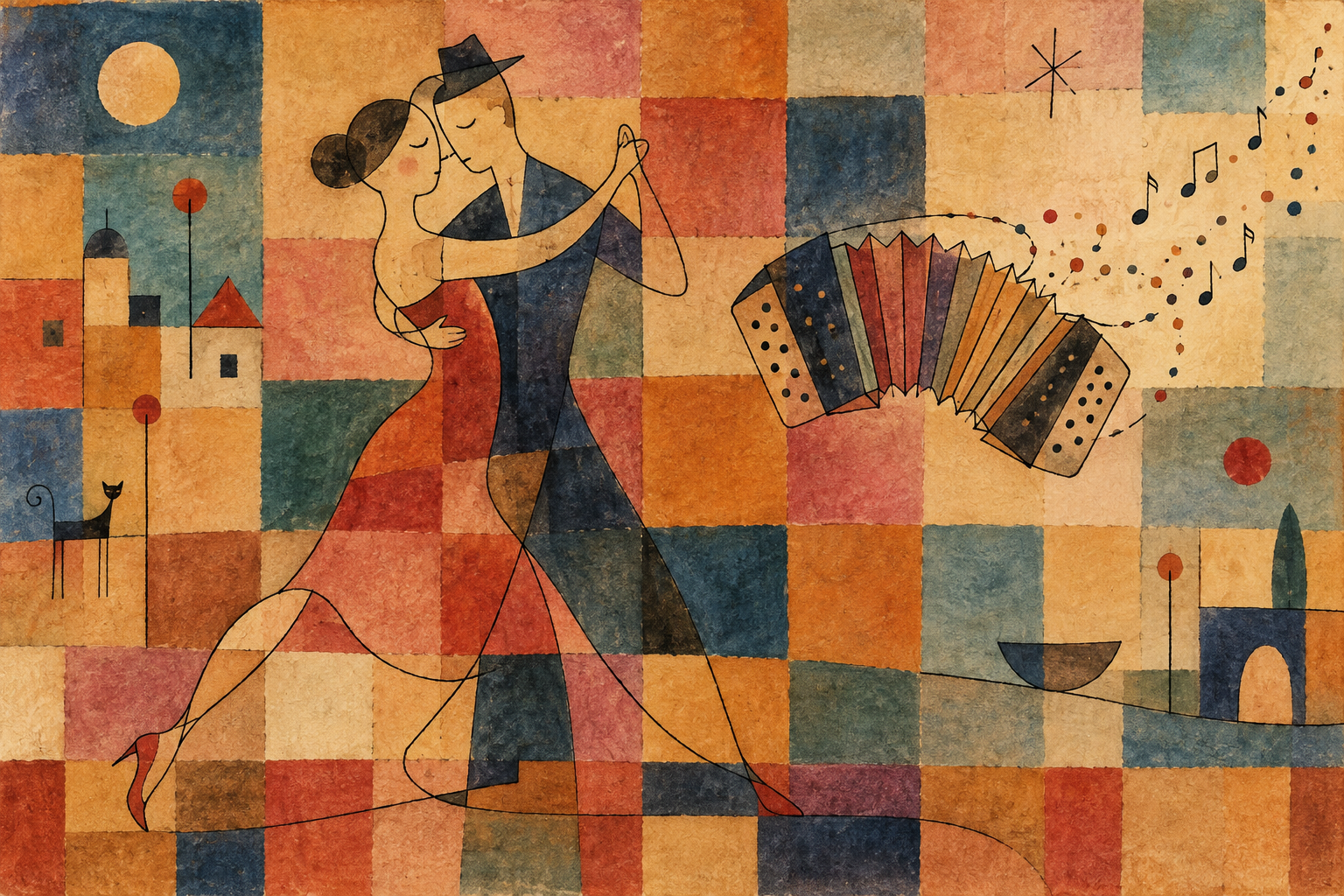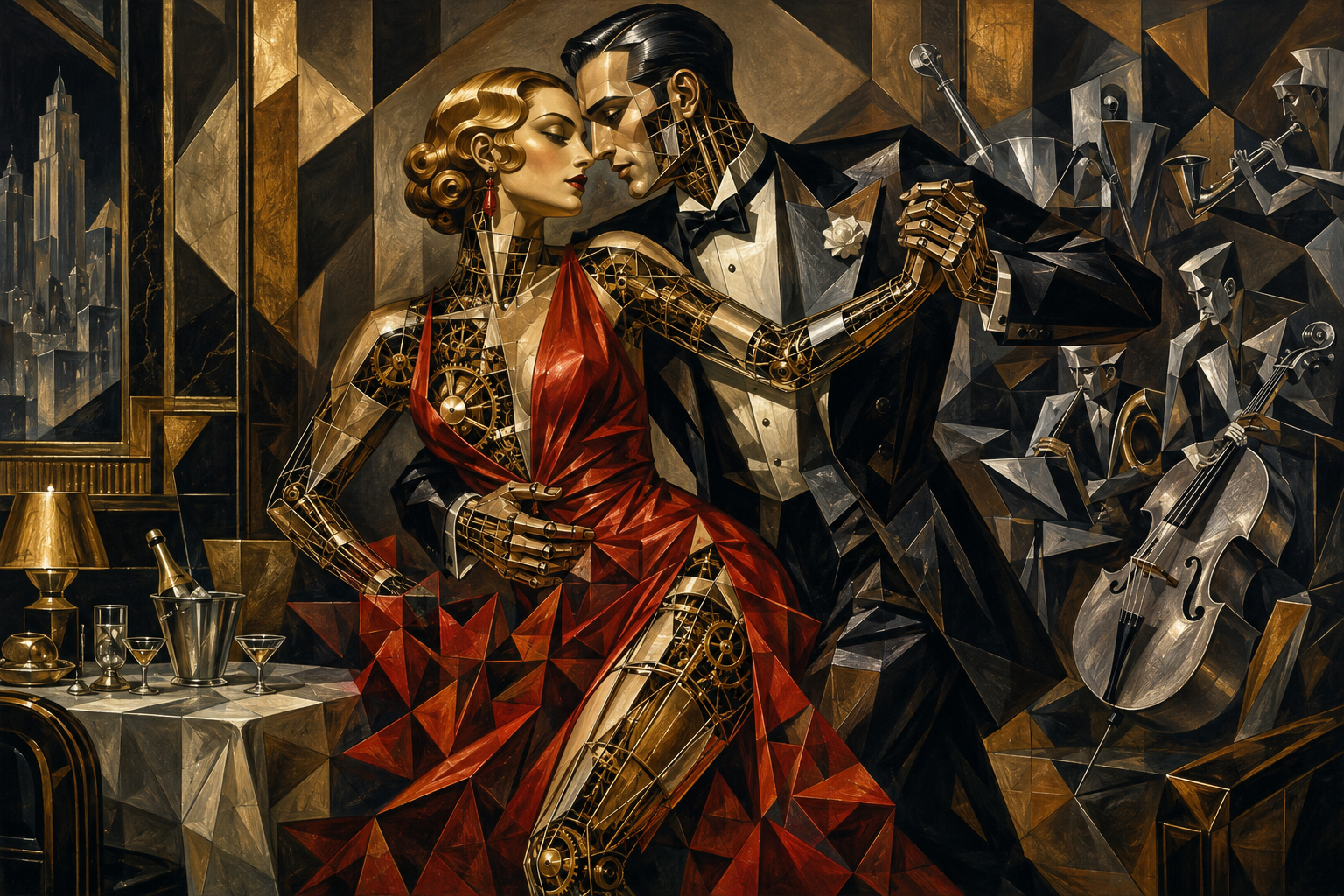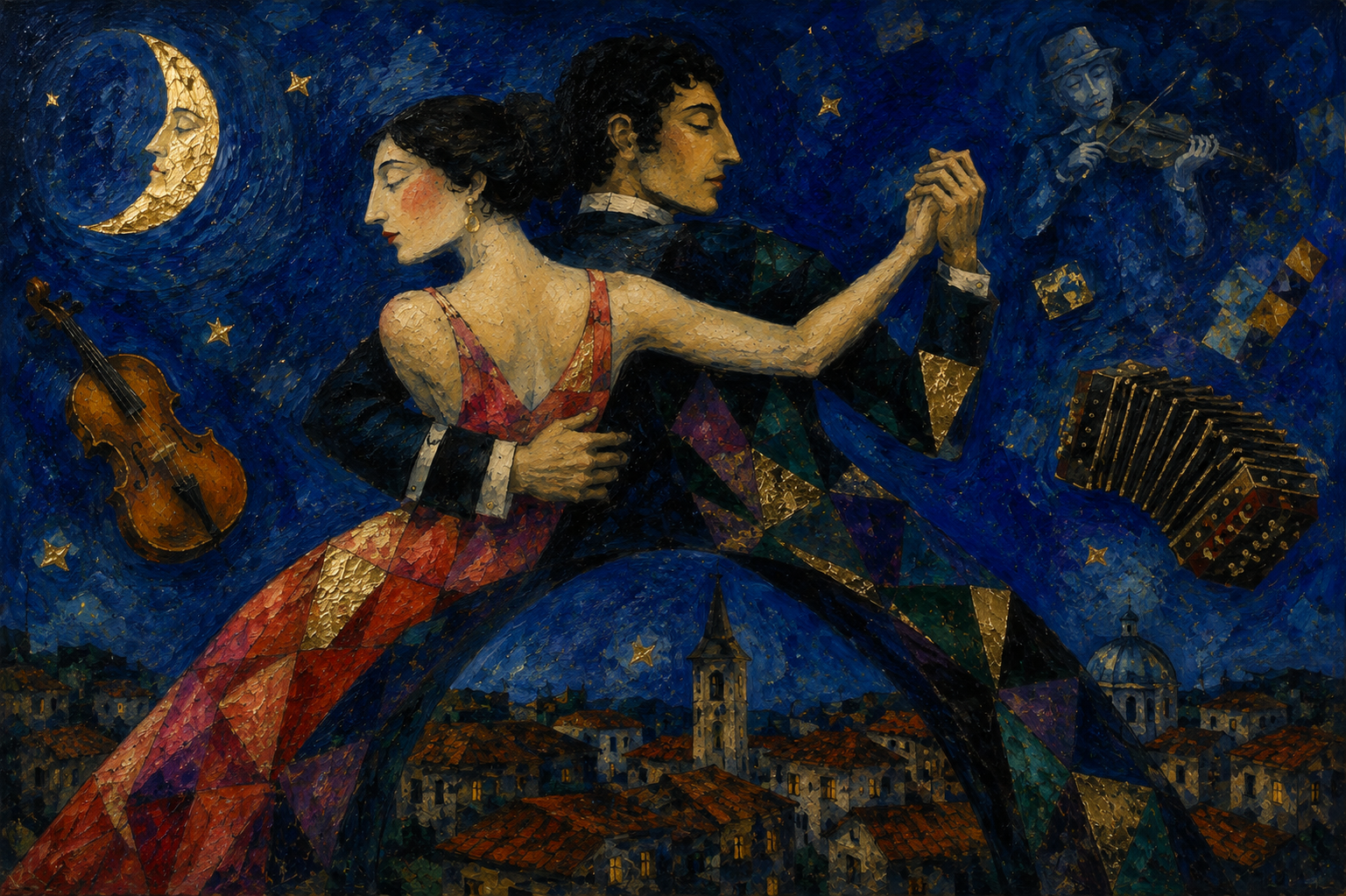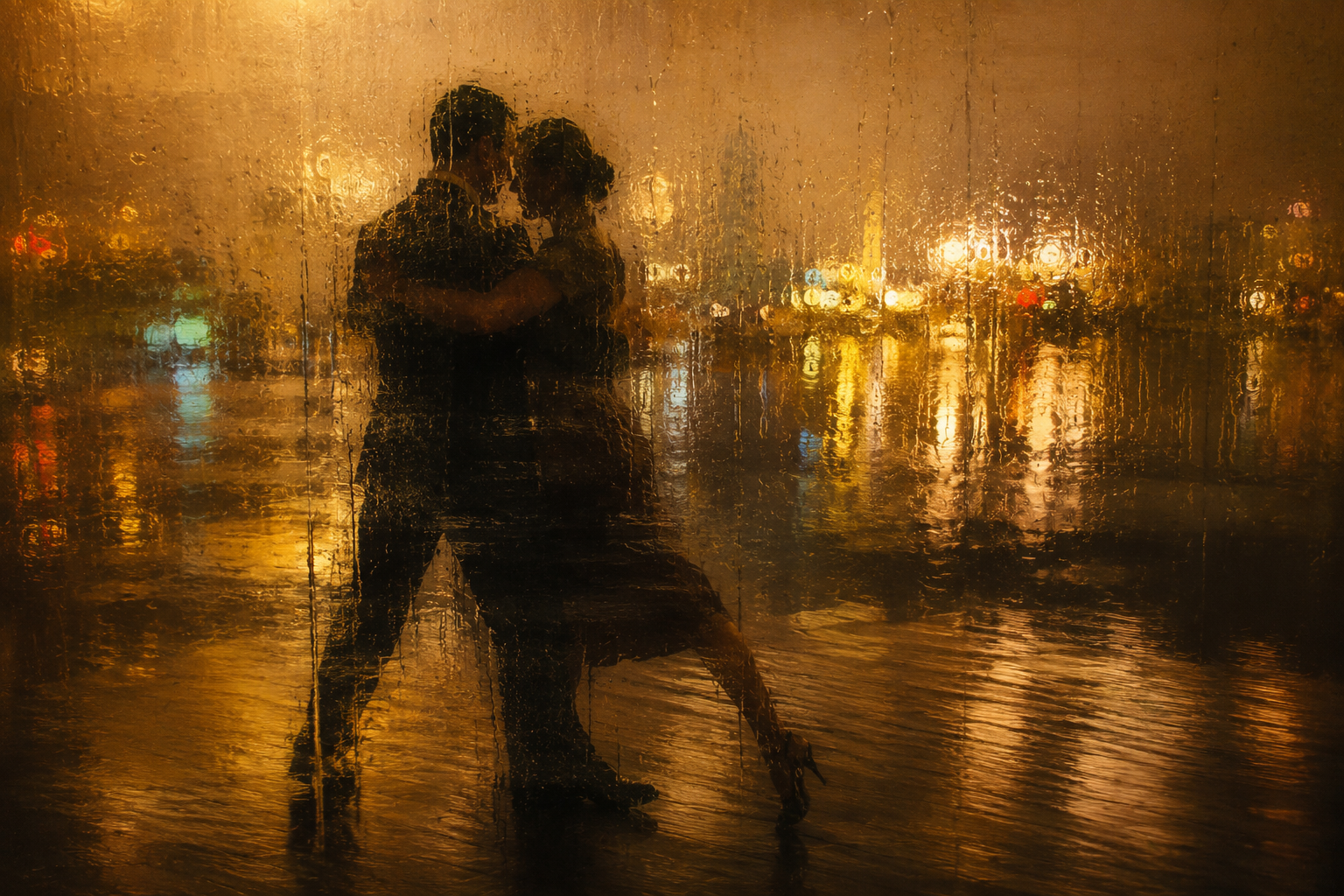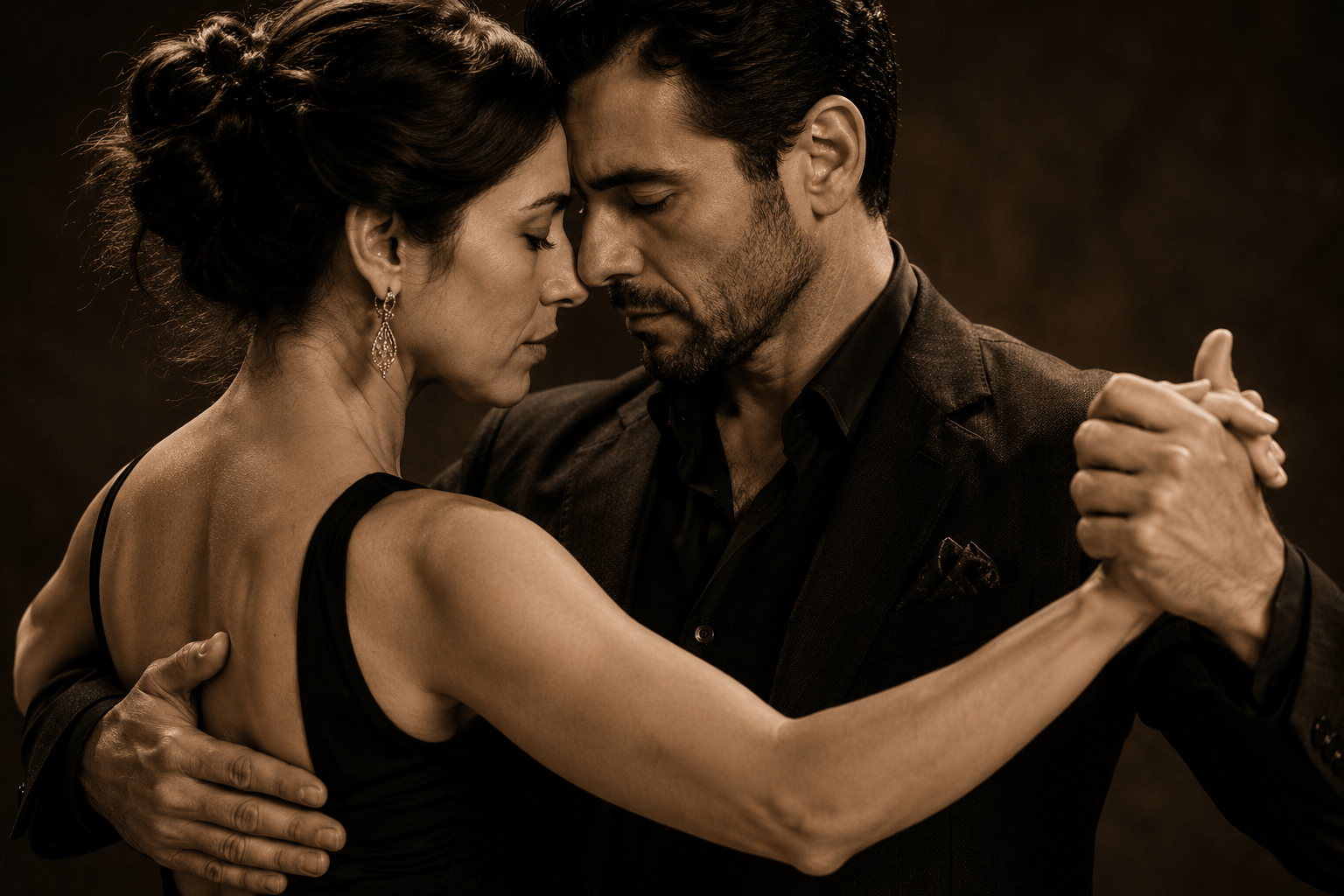
Last Saturday I watched a Boomer and a Gen Z dancer share a Troilo tanda. He is 71: thirteen years old when the White Album came out. She is 24, which makes her a teenager the year TikTok went global.
I would bet almost anything they were not dancing to the same song. He was following Fiorentino’s voice, the lyric, the ache, the way the Beatles taught him to listen for the story. She was riding the rhythm section, the walking bass, the crisp piano, because her ears were formed by two decades of music that puts the beat up front. Neither of them was wrong. They were both right, in different dialects.
What made it work was the embrace. The embrace is not only a physical frame. It is a negotiation between two people’s listening. For twelve minutes, two musical citizenships had to find common ground in real time, with no words, at walking speed. Sometimes his patience pulled her deeper into a phrase. Sometimes her clarity pulled him back onto the beat. Back and forth, a bar at a time.
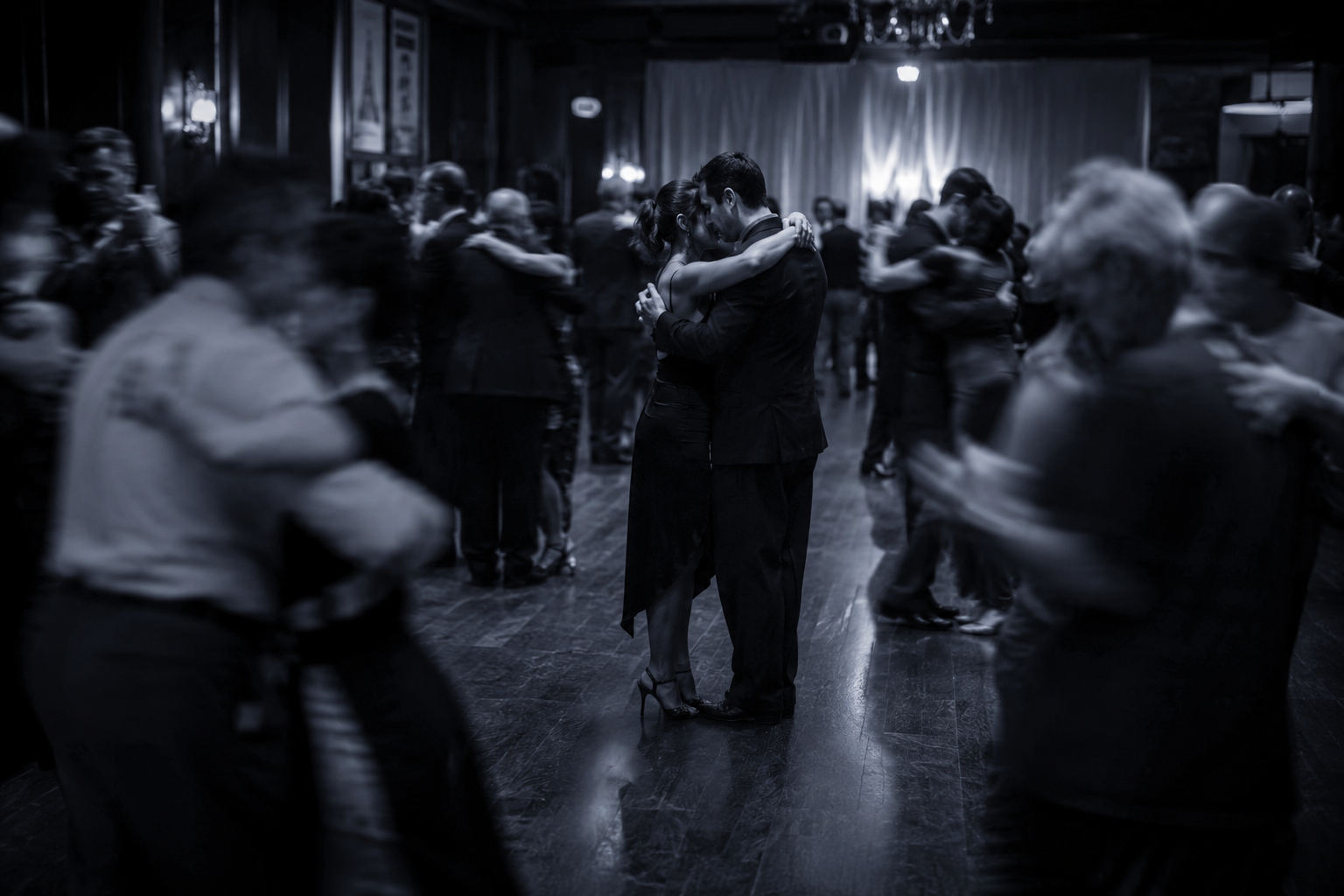
And notice one more thing. On Spotify, roughly every other song gets skipped before it ends. (Spin) At a milonga, nobody skips. You commit to twelve minutes with one person on the strength of a look across the room, and you stay until the cortina, whether the song is your first language or not.
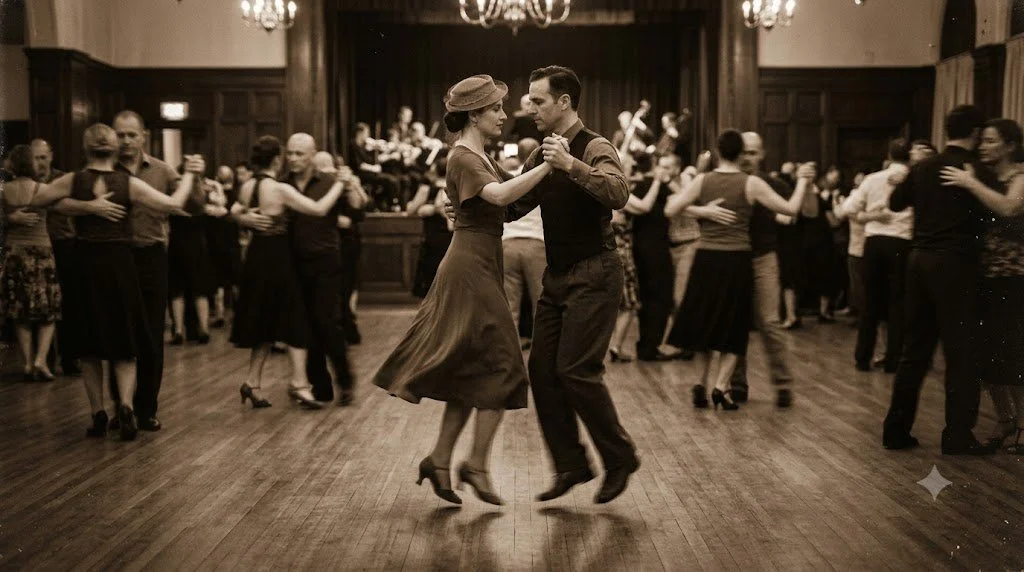
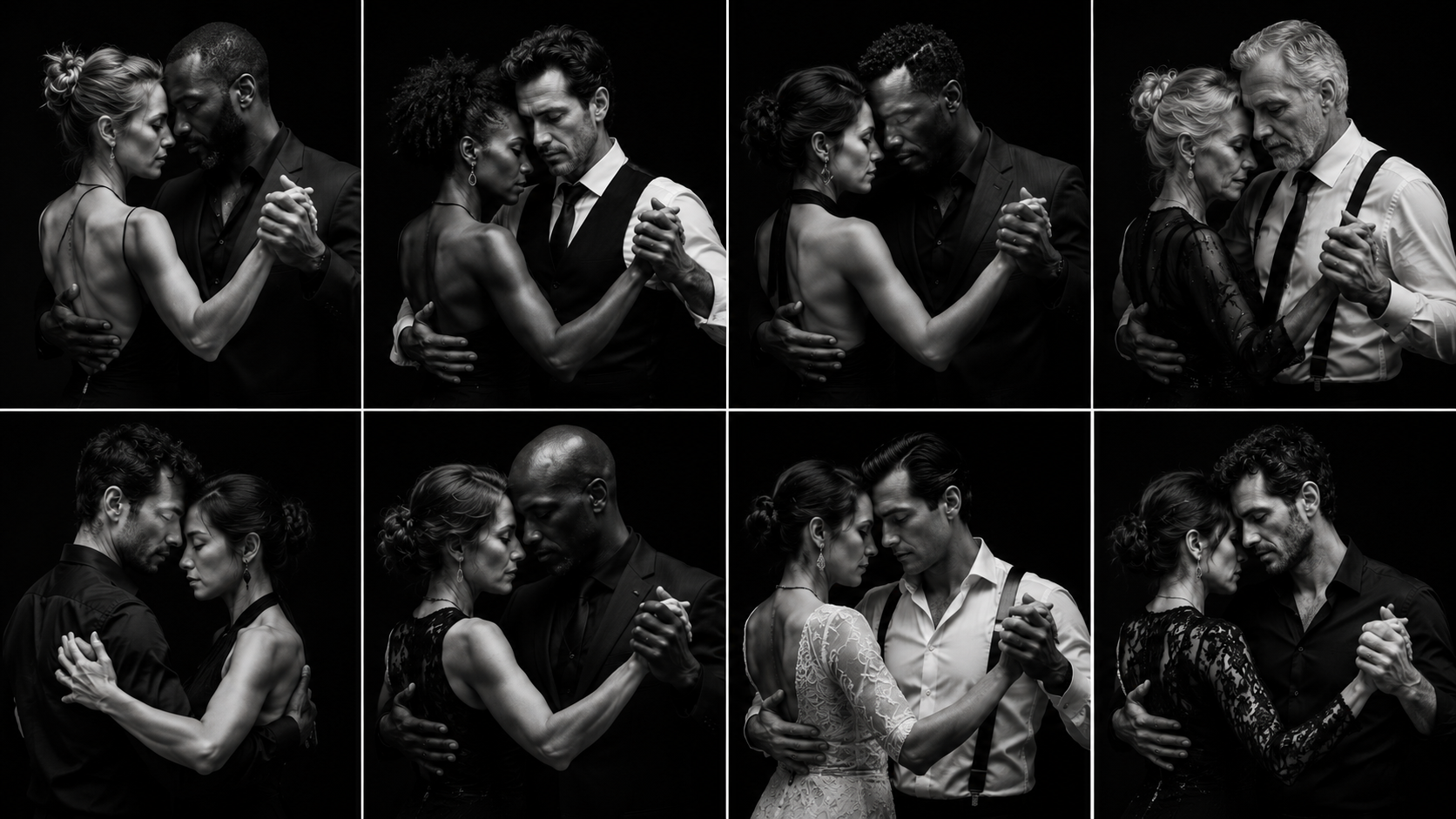
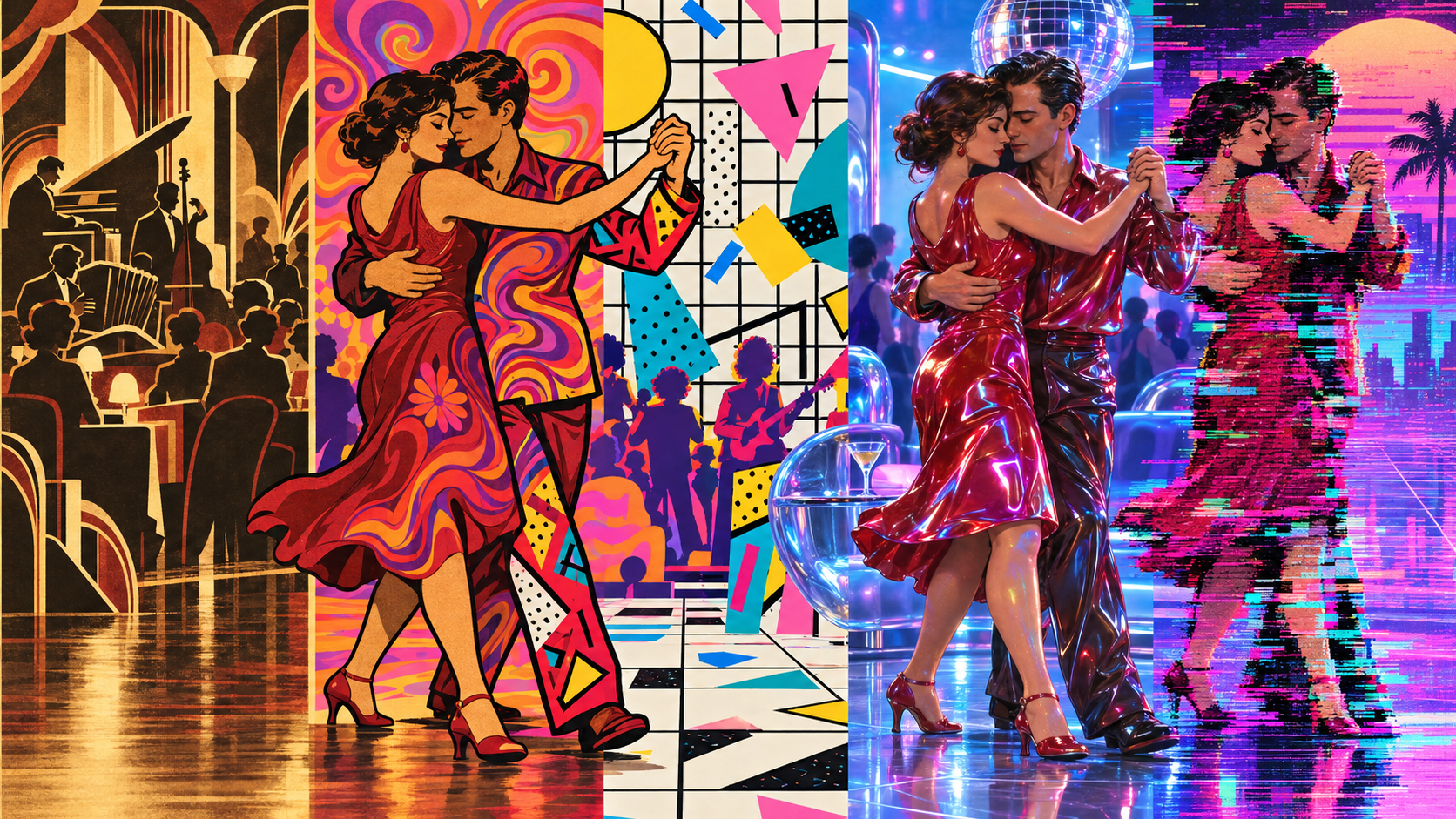
The milonga is one of the last rooms in modern culture where five generations show up and do the same thing together. Not watch it. Do it, physically, in contact. The oldest dancers teach the youngest how to wait. The youngest teach the oldest how to hear rhythm freshly, how to be surprised by a Biagi syncopation at 70. Nobody announces it, nobody plans it, and the exchange runs in both directions every single night.
Five generations walk into every milonga. They hear five different songs. And then, one tanda at a time, they agree to dance to the same one.
Read More