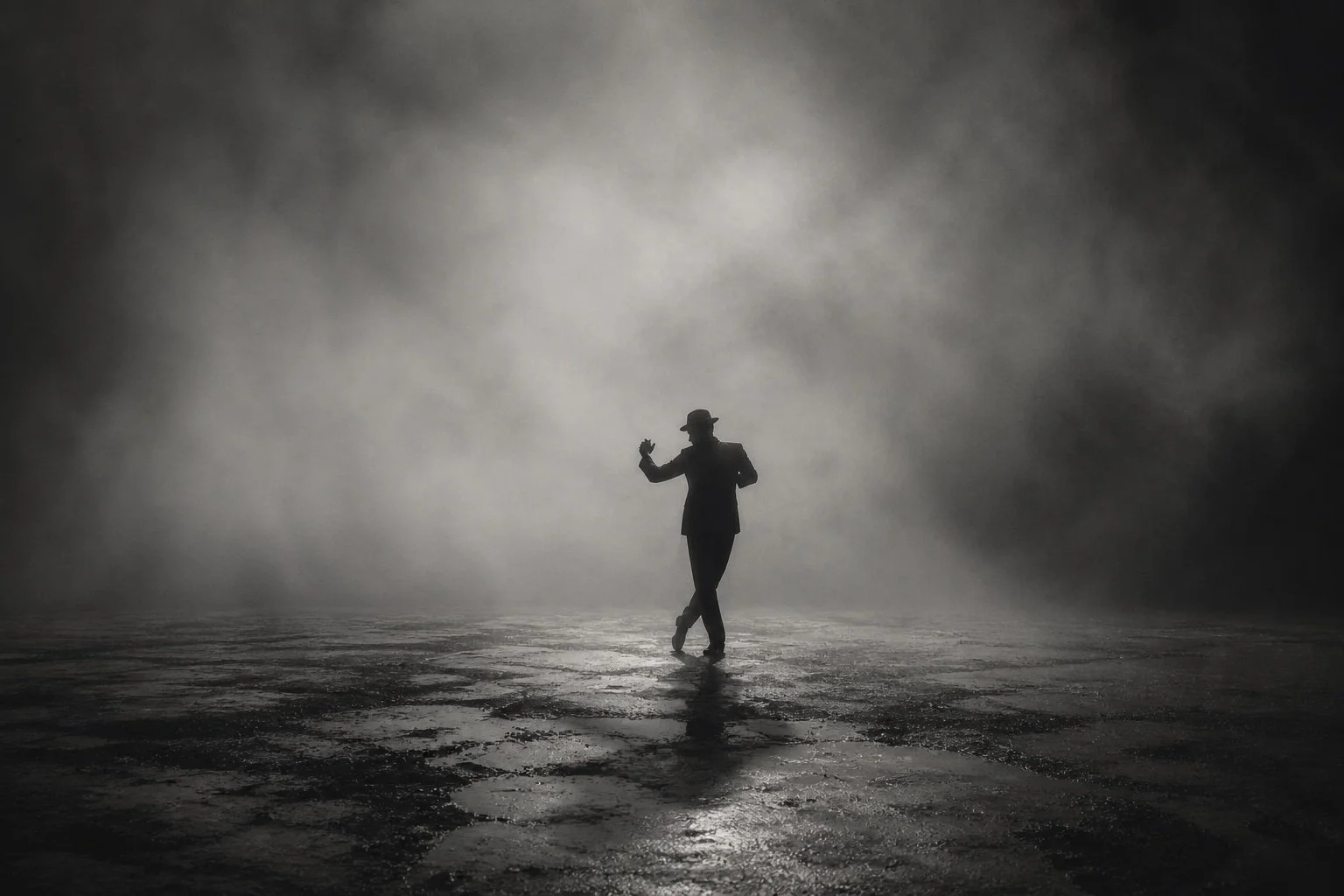

There is a scene in Scent of a Woman that single-handedly recruited more beginners into tango schools than any advertisement before or since. Al Pacino pulls a stranger into his arms, the orchestra strikes up Por una Cabeza, and for seven minutes tango is sold as pure, smoldering passion - intensity that needs no technique because feeling is enough.
It is a beautiful lie. And it has done real damage.
Tango is not a dance of passion. It is a dance of geometry, timing, and tension management. The sooner a beginner understands this, the sooner they stop gripping their partners too hard, anticipating instead of listening, and mistaking intensity for clarity. Passion is not the fuel. It is, at best, the exhaust.
Read More