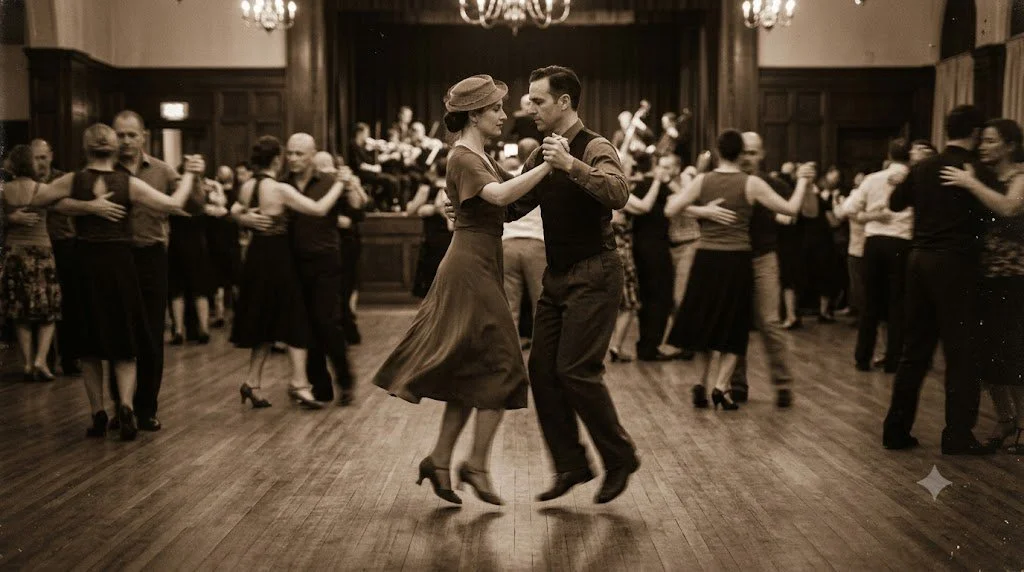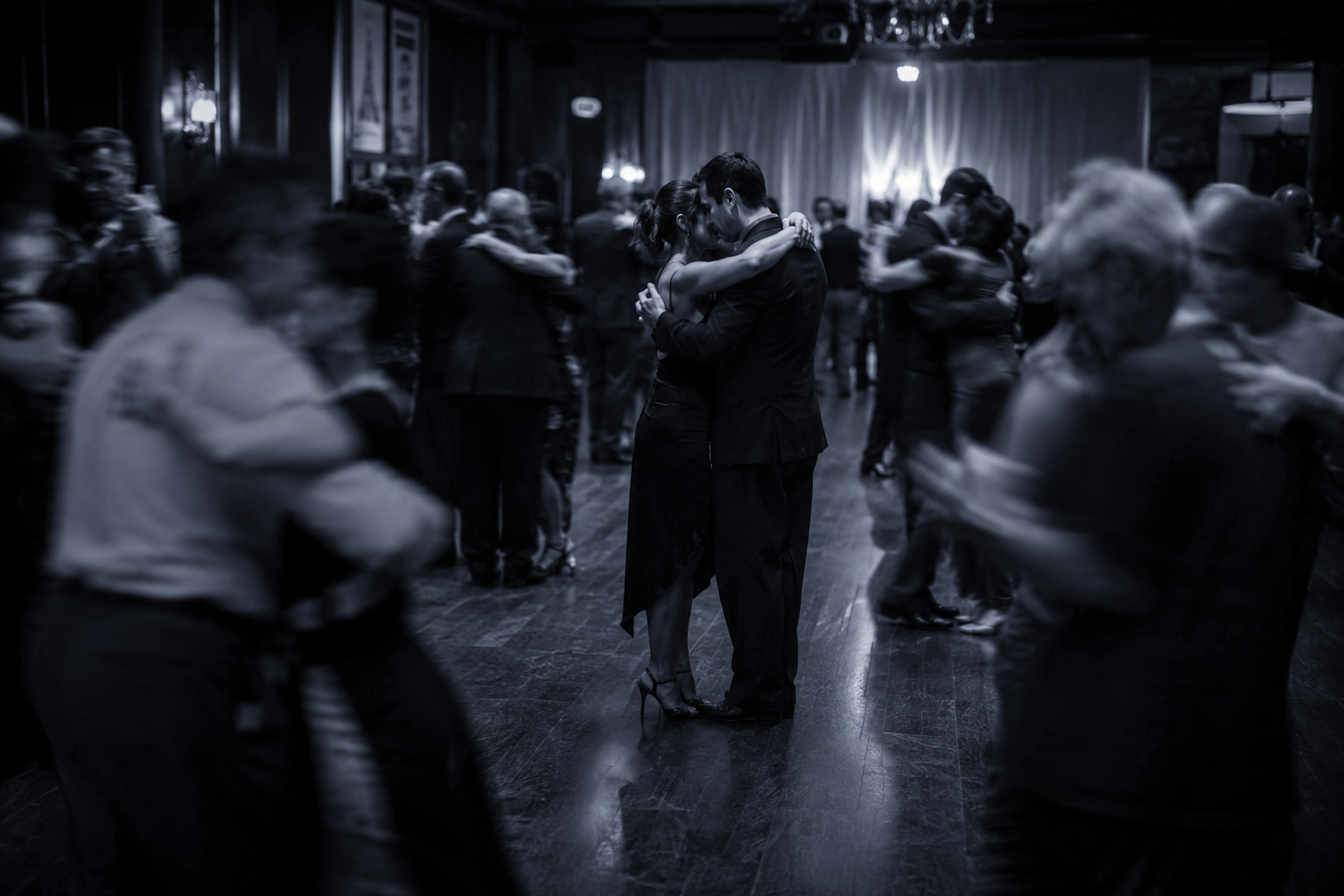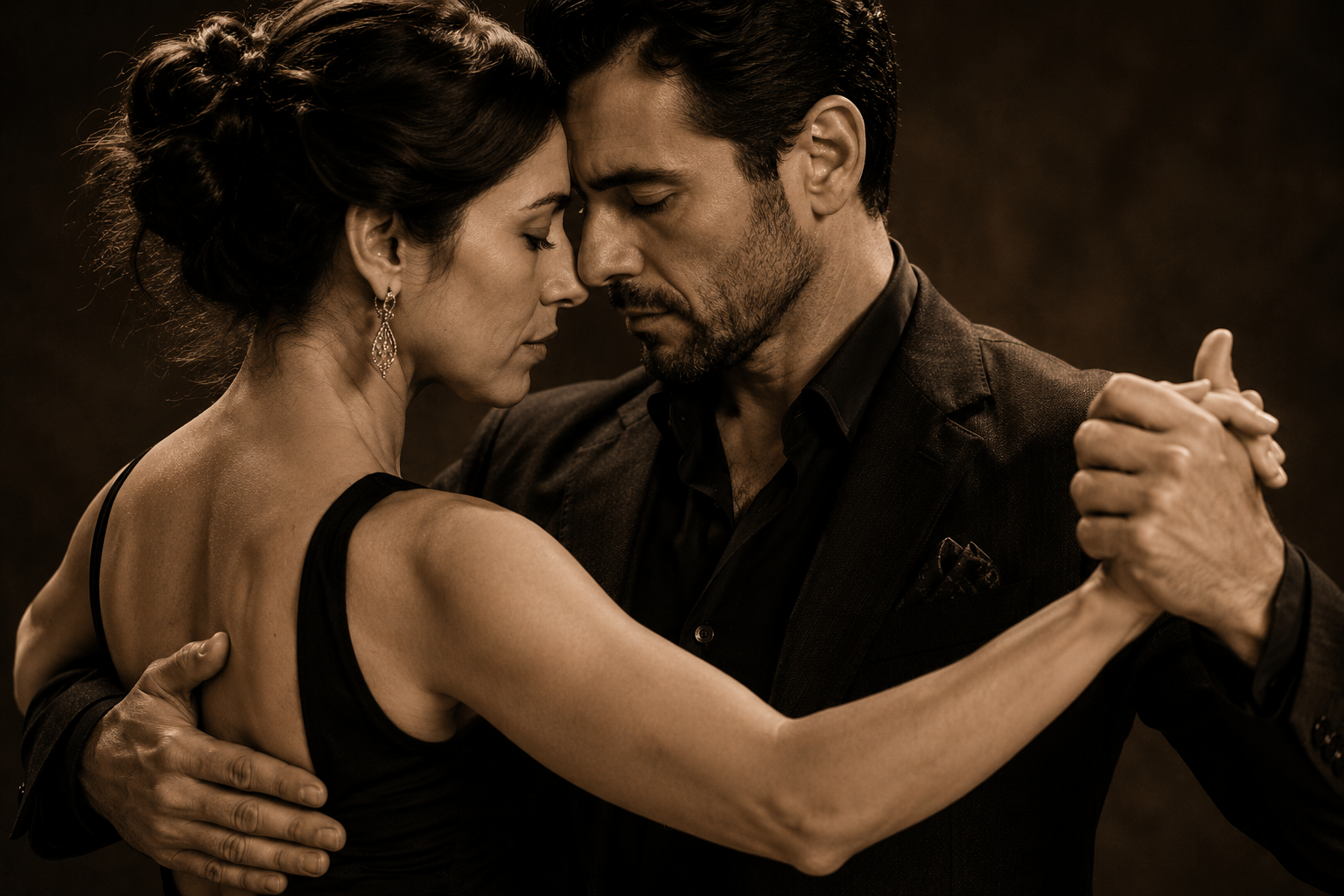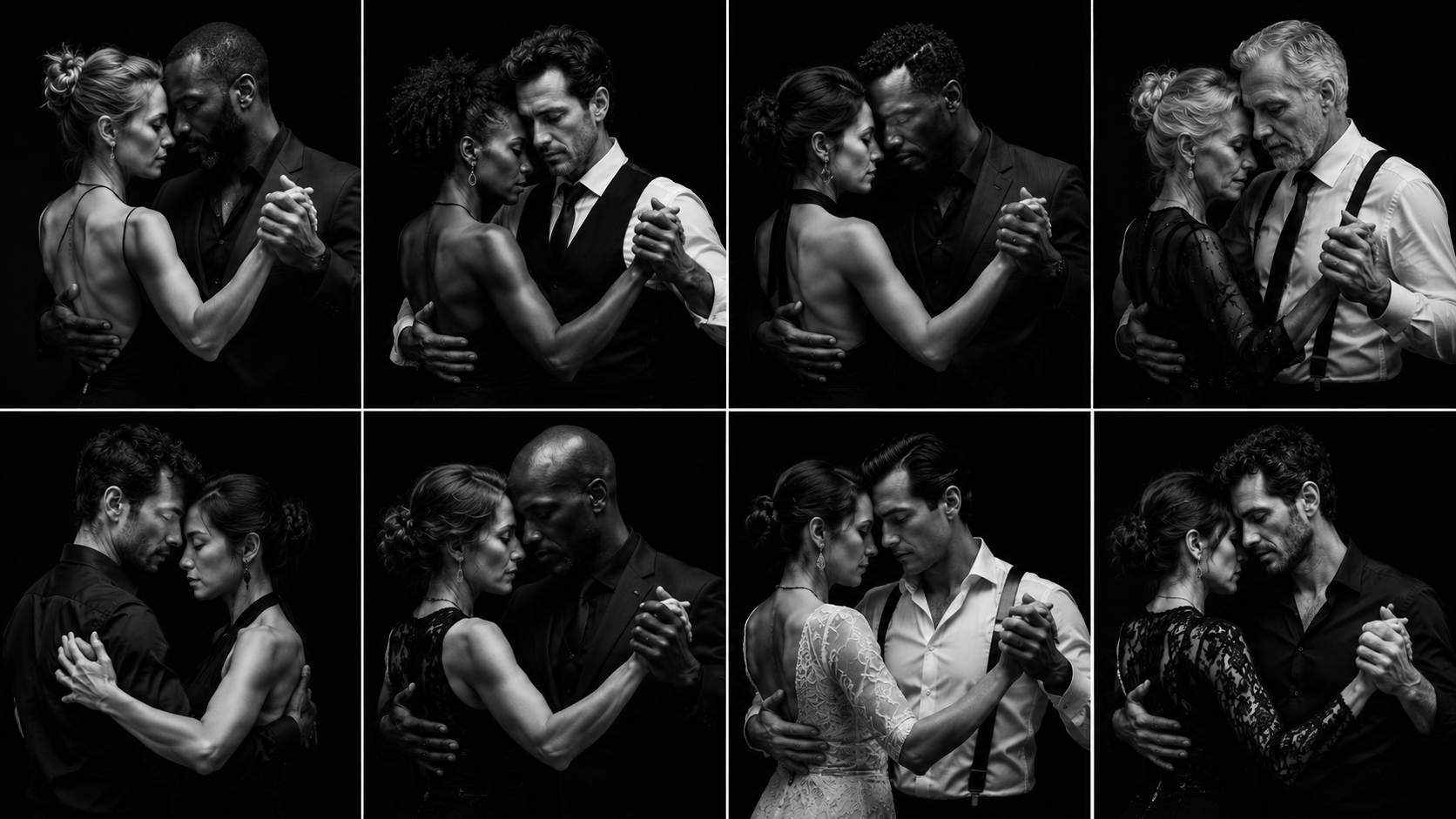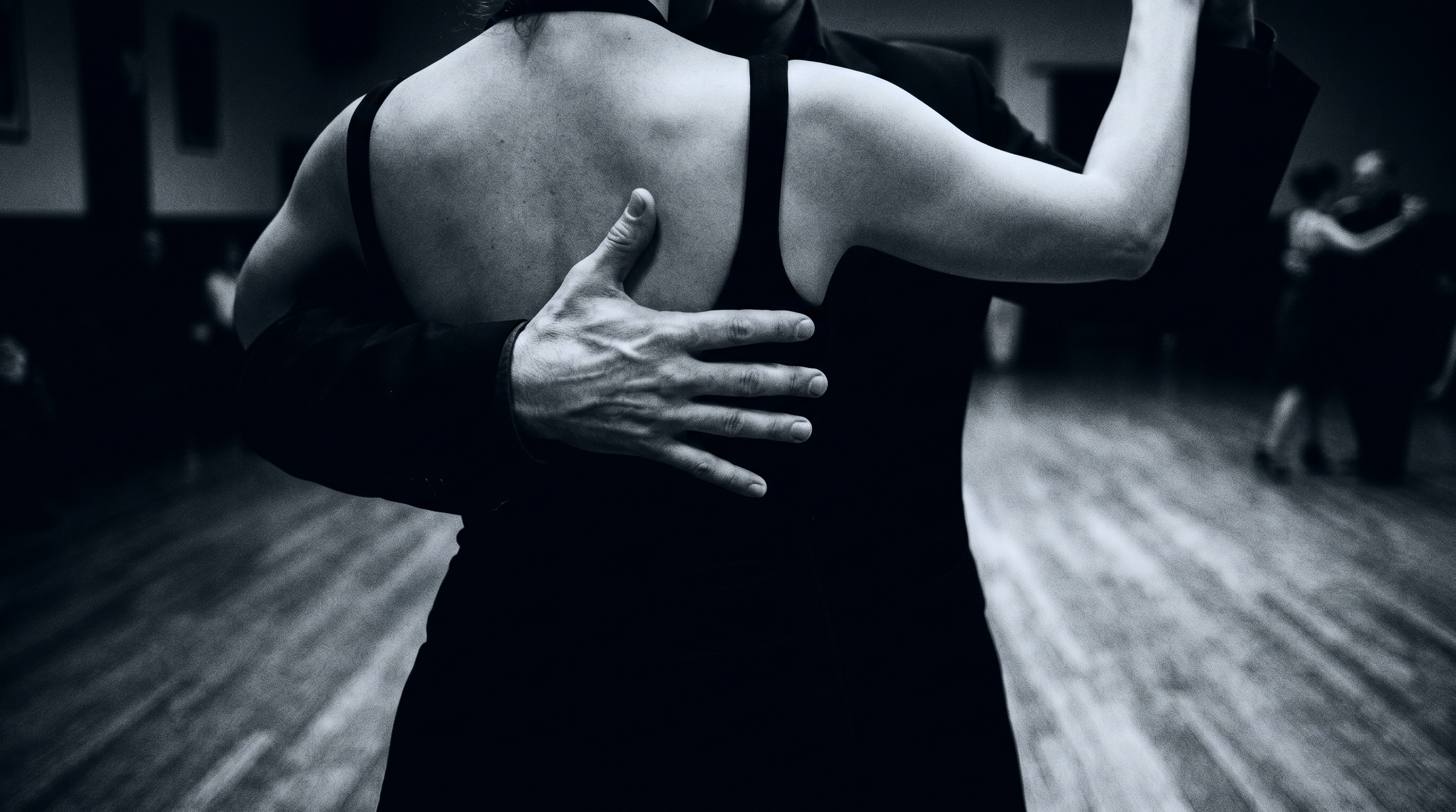
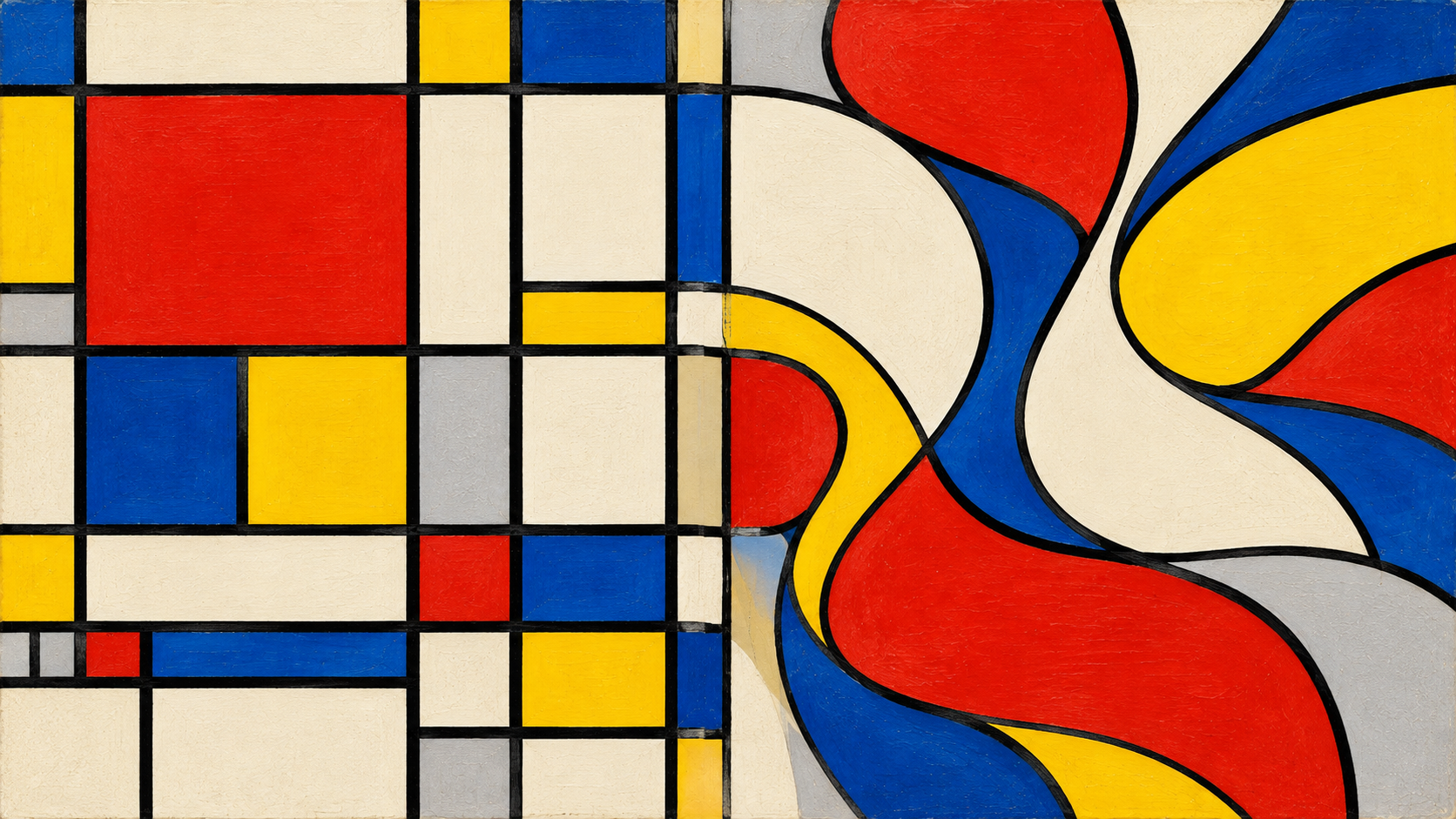
Tango music is a system. Some dancers learn it with a map, others learn it with their body. The best of them end up in the same place.
Every tango class has two kinds of listeners in it.
The first kind wants to know how the music works. They ask about counts, phrase lengths, and how to tell when a song is about to end. They take notes. Some of them, I suspect, go home and build spreadsheets.
The second kind never asks. They hear something, their body moves, and if you ask them why, they shrug.
Both are learning the same thing. They are just coming at it from opposite ends, and the most interesting part is where they meet.
Read More